
Women have managed to not only transform the entertainment industry but dominate it as well.
From Madonna’s “Like a Virgin” performance at the 1984 MTV Video Music Awards to Gen-Z artists like Olivia Rodrigo and Sabrina Carpenter speaking openly about political issues, female artists have pushed creative and cultural boundaries.
Erin Coulehan, adjunct faculty professor at the University of Texas at El Paso (UTEP), specializes in gender and women’s studies and pop culture. Her reporting for publications such as Rolling Stone, Elle, Teen Vogue and The New York Times has also given her a look into the artist’s side of the entertainment industry. This has provided her insight into the evolution of women’s role in pop culture and how it’s become as influential as it is today.
“We see these women pop stars really dominating their industry, and we’re seeing it across all genres, which we hadn’t before. We have of course, in pop music, and then we’re seeing it in hip hop and now in indie rock. We’re seeing bands like ‘The Last Dinner Party’, or ‘The Marias,’ who are really very women-heavy and influenced, and they’re doing so well,” Coulehan said.
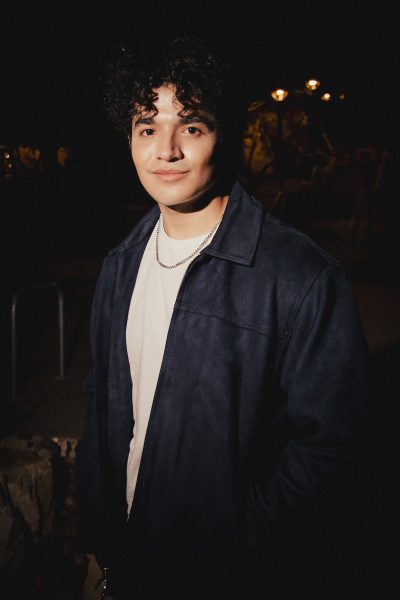
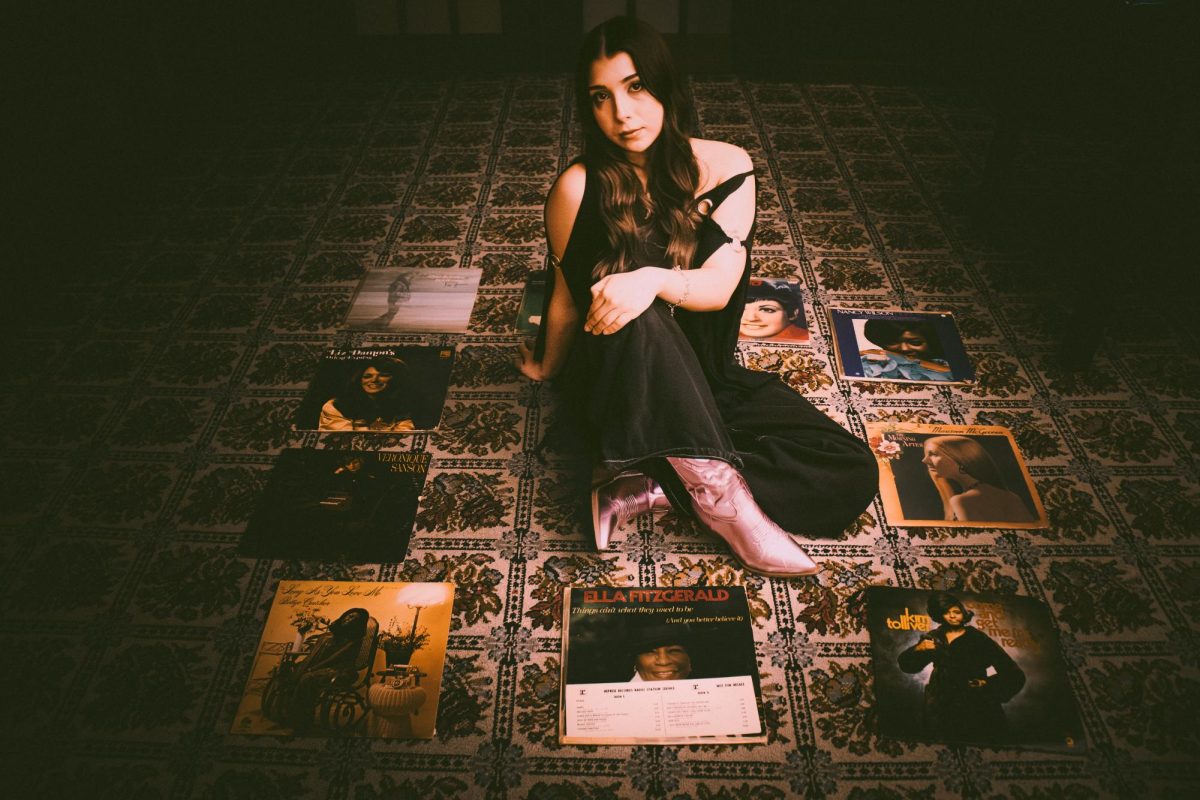
This undeniable rise of female artists has inspired young singers, like Natalia Bermudez, or Nana Bersa, senior studying Media Advertising with a minor in commercial music to pursue a career in the music industry.
“It’s a great opportunity that they’re giving us, but I still think that there’s so much work to do in terms of, like, the same rights when it comes to women in all of all of the fields and especially music,” Bermudez said. “We’re not just about looks. We’re more than that. I think that we are passionate and talented, and all the things that men are too, but we still need to, try harder, just because we’re women. I feel grateful that I’m living in an era where I can share my music with female artists.”
Throughout history women have faced many barriers, from legal and economic restrictions, exclusion of social and professional spaces or visual scrutiny, sexualization and many more.
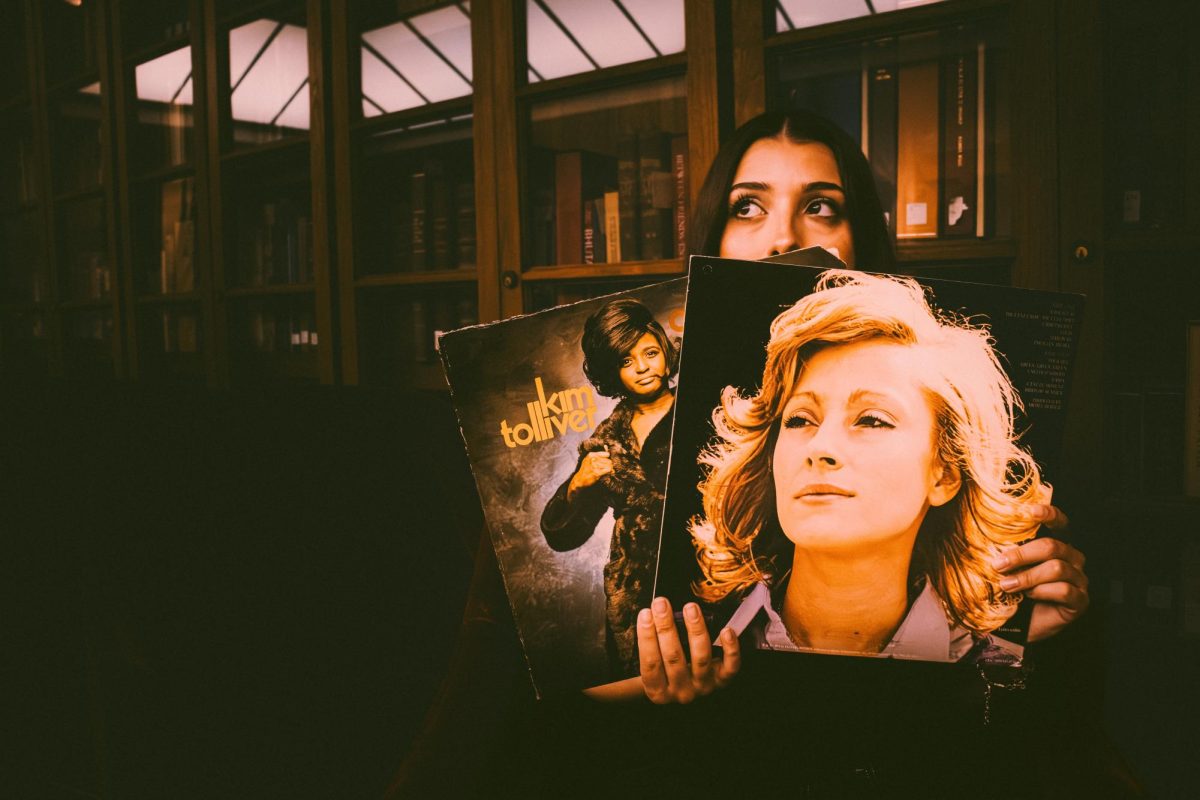
“It goes back to the history of subjugation against women, and then us women being delayed in so much that men that had, you know, was inherent for them. Men always had the right to vote. Men could always get a credit card. It wasn’t until 1993 that marital rape was considered a crime, so women have had so much stacked against them, not even only professionally and I think that there’s a lot of very predatory systems when it comes to corporations and especially entertainment,” Coulehan said.
Even with so many challenges, instead of accepting the role of victims, female musicians embraced a role as powerhouses behind social change and took the stage as the artists inspired by these changes around them.
“Something that really helped women enter these spaces was the rise of disco in the 70s, because for the first time, women didn’t have to be out on a date to be out in a social scene. So, this was the first time in history that women were getting ready together and like trading makeup and outfits and like, kind of imagining what the night was going to be like, and then they were able to go to these disco clubs and dance and be free and really get into that world,” Coulehan said.
The cultural shift extended beyond nightlife, helping launch a new generation of influential female artists across genres and decades.
“From there we have artists like Diana Ross, who became huge as a disco singer, and Gloria Gaynor. We see the rise of figures like Madonna in the 80s, and then Whitney Houston. Then later on, Spice Girls, TLC, Mary J. Blige, and Lil’ Kim, and now Megan Thee Stallion, we have Doja Cat and so many other artists from so many different genres, especially those that were really discriminatory against not only women, but women of color and queer women. You know, artists like Doechii have opportunities that no one in history had ever been allowed before for a person like her.”
Even in the border community, artists such as Nana feel responsible for sharing their music as ways of making their own communities feel understood and represented on a global stage.
“It’s an honor to be a Mexican American, Chicana girl, because I get to experience both Juarez and El Paso’s cultures. In my music, you can also sense, and you can hear the mix between American sounds, and like Mexican love or Mexican sounds. It’s a mixture of cultures. I think I have an advantage of like, in terms of music. So, I’m really proud to be from the border and to represent such a beautiful and extent culture.” Bermudez said.
Women have reclaimed their own voices through music, with lyrics that said what they weren’t allowed to. This can be explained through the different interpretations of ‘Jolene’ originally performed by Dolly Parton in 1973, and Beyonce’s own version of the song in her latest album ‘Cowboy Carter.’
“The song Jolene by Dolly Parton, was written in 1973, before Dolly Parton could get a credit card by herself. Everything was under her husband’s name. So, when you think about it, she’s not just saying ‘Jolene, don’t take my man. She’s like, ‘please don’t take my life, my livelihood’. Fast forward to Beyoncé, covering the same song, and it’s more of a dare, like, go ahead and take him if you can catch him, because I don’t need him, and I think that’s really huge,” Coulehan said.
As more women in the industry top the charts, Bermudez remains hopeful that they will continue to build careers in the entertainment industry both on the spotlight and behind the scenes.
“I’d like to see more women as producers, or engineers, I want to see more of that. I want to see more opportunities as men have and more recognition.” Bermudez said.
To build a more safe and inclusive future for women in music, audiences and institutions must choose how to use their power as consumers or instructors. Coulehan encourages people to take an active position on the matter.
“On the university level, offering classes like gender and pop culture is a huge start. It’s so funny, like growing up, no one told me I could study women in music, it was considered something of a hobby, and something I try to emphasize for my classes is that I’ve built a career off of my interest in pop culture, music and reality television. Just because it’s not rocket science or, you know, surgery, which, of course, we need, but we also need culture. Then I think, as you know, women and community members supporting events, go see a local band, you know, whether there’s women in it or not, or watching films like ‘The Bride!’ that are directed by women and just, and having these conversations.”
While barriers remain, women in music continue to use their voices as the anthems for change, by writing songs, producing records and shaping the cultural conversations that makeup culture.
Vivien Noe C is a Staff Reporter at The Prospector and can be reached at [email protected]