
Even though women are almost 50% of the human population, they are underrepresented in healthcare, leading many women to being misdiagnosed, or having their symptoms be disregarded according to a Northwell Health article.
This is common especially for gynecological conditions such as endometriosis, polycystic ovary syndrome (PCOS) and chronic pelvic pain. Delayed diagnoses often come from misinformation about such conditions, or from receiving improper treatment.
Dr. Sireesha Reddy, a board-certified gynecologist specialized in pediatrics and adolescents, as well as Chair and Professor of Gynecology at Texas Tech Health Science Center, explains these conditions and misconceptions around women’s health.
“I have been a practicing physician for approximately 31 years, and I actually treat both adults and young children. I‘m mostly specialized in an area called Pediatric and Adolescent Gynecology, but also do a wide variety of other general obstetrics and gynecology,” Dr. Reddy said.
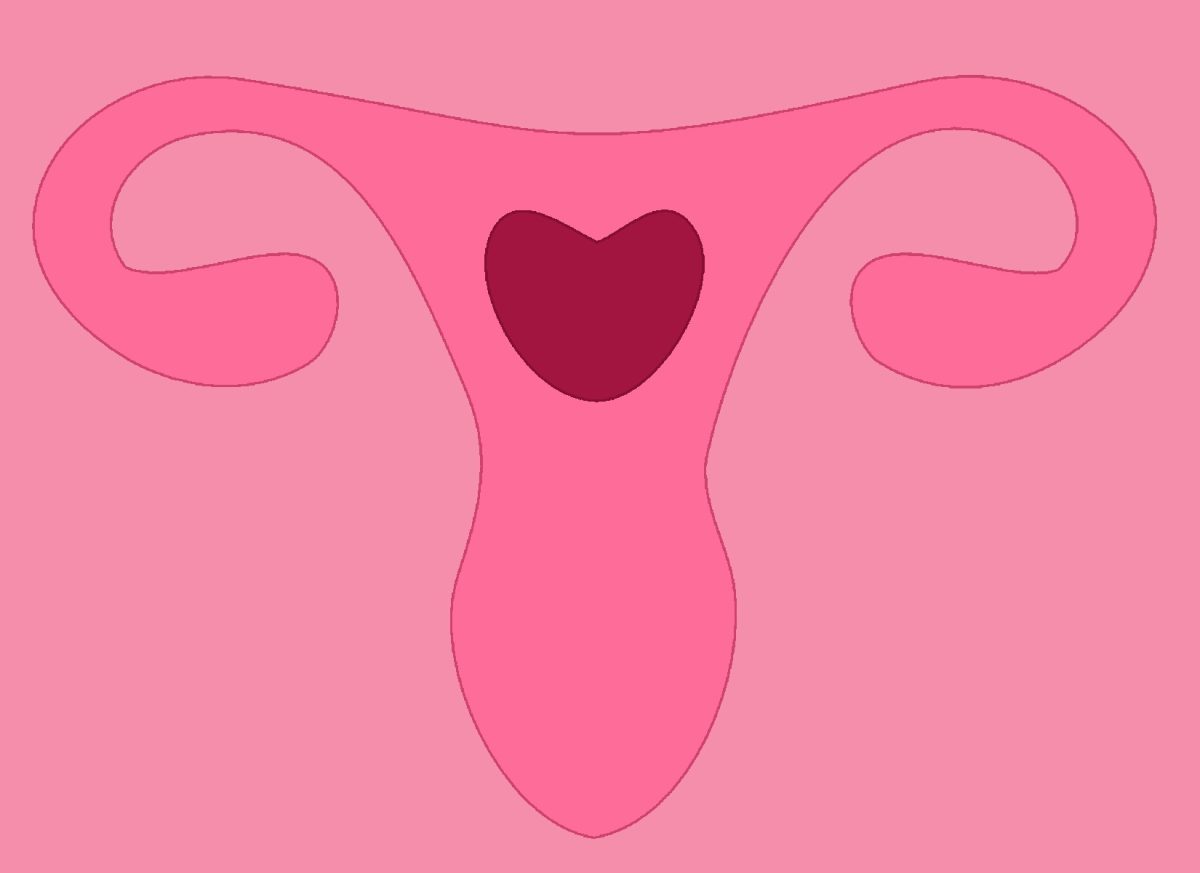
Gynecological conditions such as endometriosis, PCOS and pelvic pain are often overlooked. Some common misconceptions of endometriosis are that it causes infertility, underestimating period pain or that it can be cured through pregnancy or a hysterectomy. Dr. Reddy explains what Endometriosis really is.
“Endometriosis is a chronic condition of the female genital tract, but it can affect other areas of your body if it spreads. So, endometriosis is a condition specifically where the endometrial glands, which is the lining of the inside of the uterus somehow appears inside the abdomen causing chronic pain, debilitating issues with menstrual cycles, including heavy periods, painful periods that can also go on to lead to scarring of the pelvic organs, which can then lead to infertility.”
Common misinformation regarding PCOS includes the beliefs that it only affects overweight women, requires the presence of ovarian cysts or guarantees infertility.
“PCOS is a little bit different. That’s called polycystic ovary syndrome, and it really has specific criteria. There are quite a few different categorizations that are out there, but most people follow something called the Rotterdam criteria, which is you have irregular menstrual cycles, evidence of what we call hyperandrogenism, which is elevated testosterone,” Dr. Reddy said. “It could be that you have a lot of acne, hair growth on your body, maybe more obesity or fat around your abdomen. Then the last component is an ultrasound, the ovaries look what we call polycystic appearing, which is lots of little cysts, and the volume of the ovary is actually enlarged. You only need two out of those three criteria. If you have irregular menstrual cycles and evidence of hyperandrogenism, you’re pretty much working on a diagnosis for PCOS.”
Because of how little education there is about these illnesses, patients often think their symptoms are normal. In the case of endometriosis, there are different types and stages, which might lead to it being diagnosed later.
“For endometriosis, it can take a long time, about average, anywhere from seven to 10 years. So that’s a very long time. It’s unfortunate, because that means that women have to suffer for long periods of time and may have progressive disease during that time, which [we are] talking about different stages. So, you can have different stages of this, endometriosis spread, PCOS a little bit shorter, about two to four years to the diagnosis,” Dr. Reddy said.
Many women are taught that periods should be painful, but the difference of normal pain compared to an underlying condition can be so subjective and different between individuals, leading to women minimizing their own symptoms.
“You’re supposed to have ‘pain’ during a menstrual cycle, and I mean that in quotations, and not that you’re supposed to have severe menstrual cramps,” Dr. Reddy said. “So, there’s different degrees, and people sometimes don’t recognize or ask questions. Say, you are leaving school because you have so much pain and you’re missing three to four days. That’s not normal and normalizing that kind of pain would not be the direction we would want to go.”
Dr. Reddy would encourage every woman to prioritize self-care, regular checkups and to listen to their own bodies.
“Women tend to be caregivers. They tend to be a lot of different roles, and the people that they don’t take care of the most is themselves, so often, minimizing their symptoms,” Dr. Reddy said.
To make sure women receive prompt care, there are issues that need be addressed and conditions that should be improved to reduce healthcare barriers.
“I would say education, access to the correct information, regular care, so that people can address any current issues or new issues right away,” Dr. Reddy said.
Bringing awareness to such issues is of high relevance so that more people can be educated on women’s health, and more people can receive the help they need to live healthy.
Vivien Noe C is a staff reporter at The Prospector and can be reached at [email protected]