On April 9, the first Local News Day highlighted the importance of local journalism, offering student reporters a moment to reflect on what it means to document the communities they are part of.
At The University of Texas at El Paso (UTEP), local journalism is not something distant or abstract. It is built through lived experience in classrooms, community events and everyday conversations that shape how student journalists understand both El Paso and their responsibility to report on it.
I first understood the weight of journalism during my first semester writing for The Prospector. I was sitting in a community meeting in February, listening to El Paso residents.
The conversation centered on proposed data centers and how much water they could use in a desert city already defined by scarcity. The discussion was not abstract. It was personal, urgent and grounded in concern for the community’s future.
In that moment, reporting stopped feeling like an assignment. It became a responsibility.
Being a student journalist in the borderland means there is no real separation between the story and the storyteller. The same water being discussed in public meetings is the water the community depends on. The same rising costs residents worry about are the ones students hear about at home. That proximity changes how you listen and how you write.
Not every story carries that same scale, but each one carries its own importance.
Some stories come from conversations with students navigating heartbreak and trying to rebuild their routines. They talk about redirecting their energy into school, friendships and personal growth.
That kind of story does not focus on policy or infrastructure, but it still reflects something essential about the community. They show how students adapt, recover and move forward.
Other stories come to life in classrooms, where reporting is shaped and challenged.
Much of my understanding of journalism was built under the guidance of Professor Kate Gannon, who consistently pushed students like me to find some clarity and really dig deep with their reporting. Assignments were never just about completing a story. They were about learning how to ask better questions and recognize what is at stake every time you’re out there interviewing people. That expectation changed how I approach every interview and every draft.
It reinforced the responsibility of writing about real people and real communities.
Outside the classroom, joining the National Association of Hispanic Journalists (NAHJ) added another layer of meaning to that work. It created a space to connect with other student journalists who understand the importance of representation and storytelling within Hispanic and Borderland communities like El Paso.
It also reinforced a simple idea. Local journalism is not just about place. It is about people.
As I move through my final semester, that understanding feels sharper. There are still deadlines, revisions and long nights, but there is also a growing awareness of what this work has meant.
Local journalism has shown me that impact is not always measured by scale. Sometimes it is measured by proximity, by how closely a story reflects the lives of the people it represents.
Local News Day brings that into focus. It’s a reminder that the stories told in classrooms, community meetings and student conversations are not separate from journalism. They are journalism.
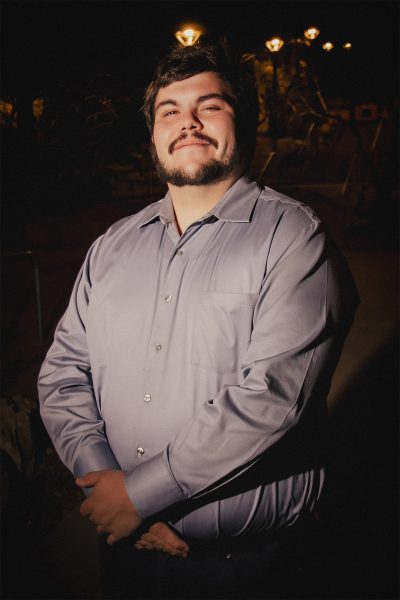
Fred Kepfield is a contributor writer for The Prospector and may be reached at [email protected]